

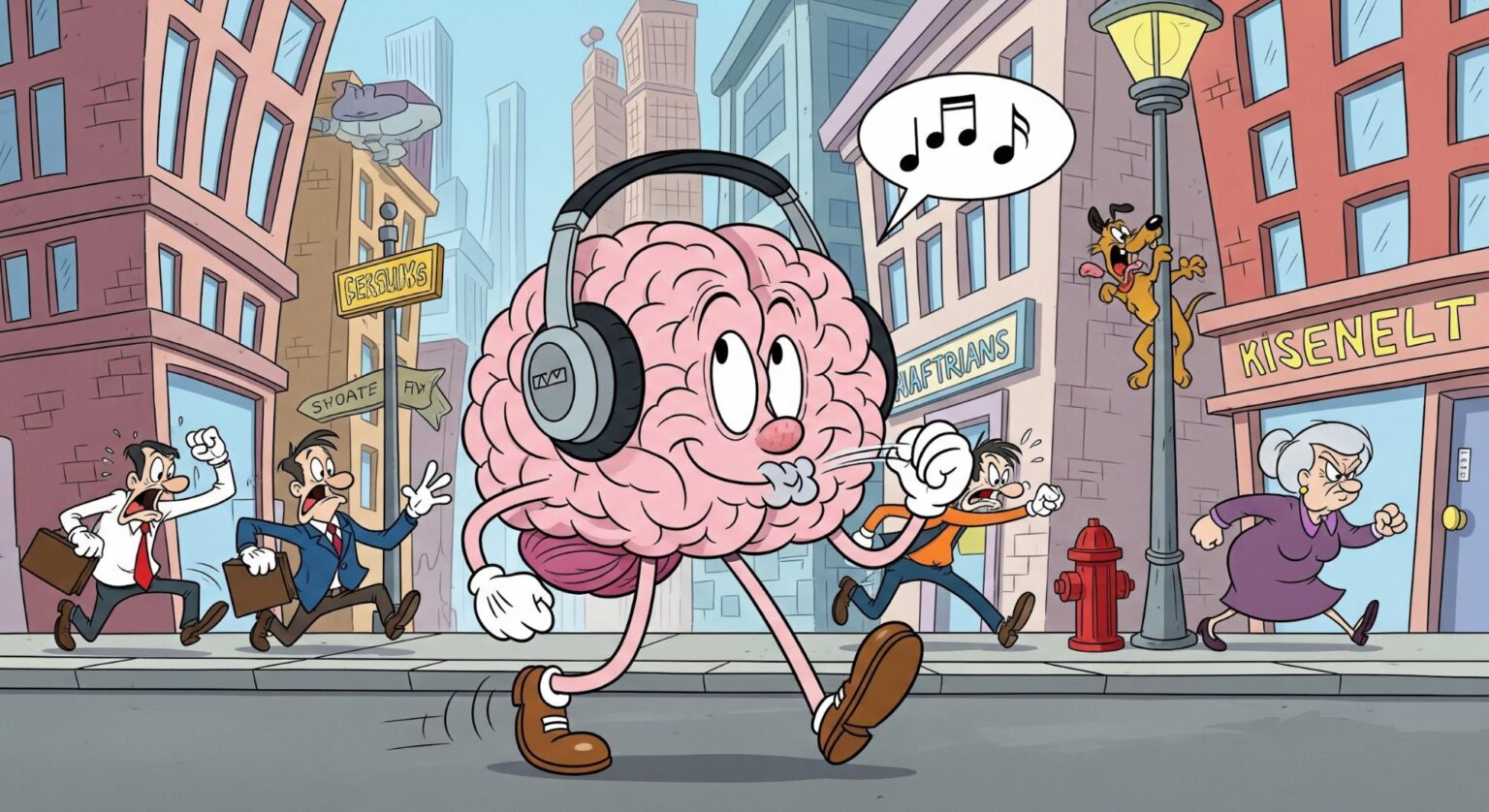
Books that discuss complex topics like neuroscience can be wordy or make you feel like you need a prerequisite for reading. I have my degree in neuroscience, and here are 5 books that I have actually read and recommend.
By Jayne Turner – Staff Writer
Your Brain on Music by Daniel Levitin
This book explores the connection between music, the brain, and our emotions. Of course, emotional responses are a result of stimuli, like music, reaching the brain. He explains why certain melodies evoke certain feelings – like the minor key sounding “sad.” He also argues that music is a necessary function of the human species, not just a beloved hobby.
This book is a must for any music lover who is also interested in neuroscience. He uses various examples, from classical to classic rock, so you’re sure to find something relatable. These relevant examples make the book easy to read and understand.
The Hidden Brain by Shankar Vedantam
This book brings to light the enormous impact that your subconscious mind has on the decisions that you make. Utilizing examples like presidential elections, war, and stock market decisions. This book will make you question your own unconscious biases through dramatic stories that will make you wonder – what would I do in that situation?
This is a good book if you’re interested in history or political science. If you know less about these topics, the examples may be more difficult to understand. Though this book covers complex topics, it is surprisingly easy to read.
Check out: The Life-Altering Memoir Behind Kelsey Grammer’s Healing
The Brain That Changes Itself by Norman Doidge
This book explores neuroplasticity – the brain’s unique ability to be “plastic,” that is, to reorganize itself by forming new connections between neurons across a lifespan. Though it was long believed that the brain stops changing after childhood, we now know that that is untrue. Growth is possible at any stage of life.
It contains compelling stories about different patients who learned to work around their different afflictions to regain brain function. If one part of the brain is “turned off” due to traumatic brain injury, other areas are recruited over time to carry out normal functioning. If you’ve ever felt stuck in your ways, this book will show you that change is always possible; you only have to change your mindset.
You may also like: Why Nuestra Parte de Noche Matters Deeply to Oz Rodriguez
Language and the Brain by Jonathan R Brennan
This is one of the best books on neurolinguistics for beginners because it avoids complex language and doesn’t assume that the reader has a neuroscientific background. It even contains a glossary of key terms!
In this book, you will gain an overview of all aspects of neuroscience related to language, including auditory reception of speech, how words are encoded in the brain, predictive tendencies in human language, and representations of meaning in the brain. It sounds crazy, but it’s fascinating! You will make connections between your own everyday speech and what is going on in your brain.
Habits of a Happy Brain by Loretta Breuning
This book explains the “happy chemicals” of the brain and how you can harness them to make yourself happier every day. Of course, it’s no quick fix. It’s more about small habits and understanding the impact of hormones on your brain and body.
If you’re interested in understanding practical uses of neuroscience, this is an easy read that provides useful tools for daily life. Neuroscience is complex, but it doesn’t need to be hard!
