

Direct Answer
A service department morning meeting matters when it ends with ownership. The team should leave knowing today’s workload, the main bottlenecks, the customer update priorities, the advisor coaching focus, and exactly who owns each follow-up before the drive fills up.
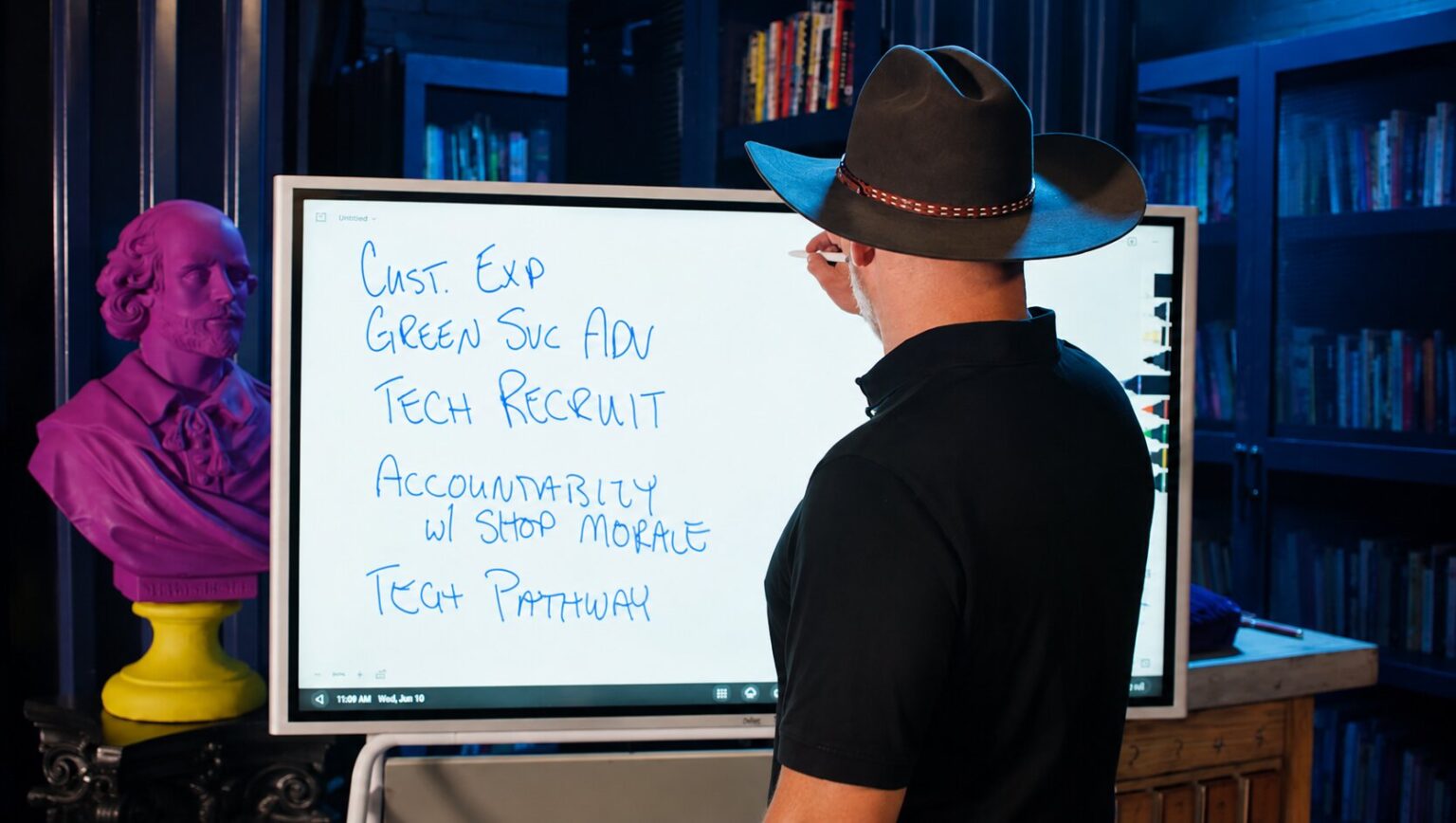
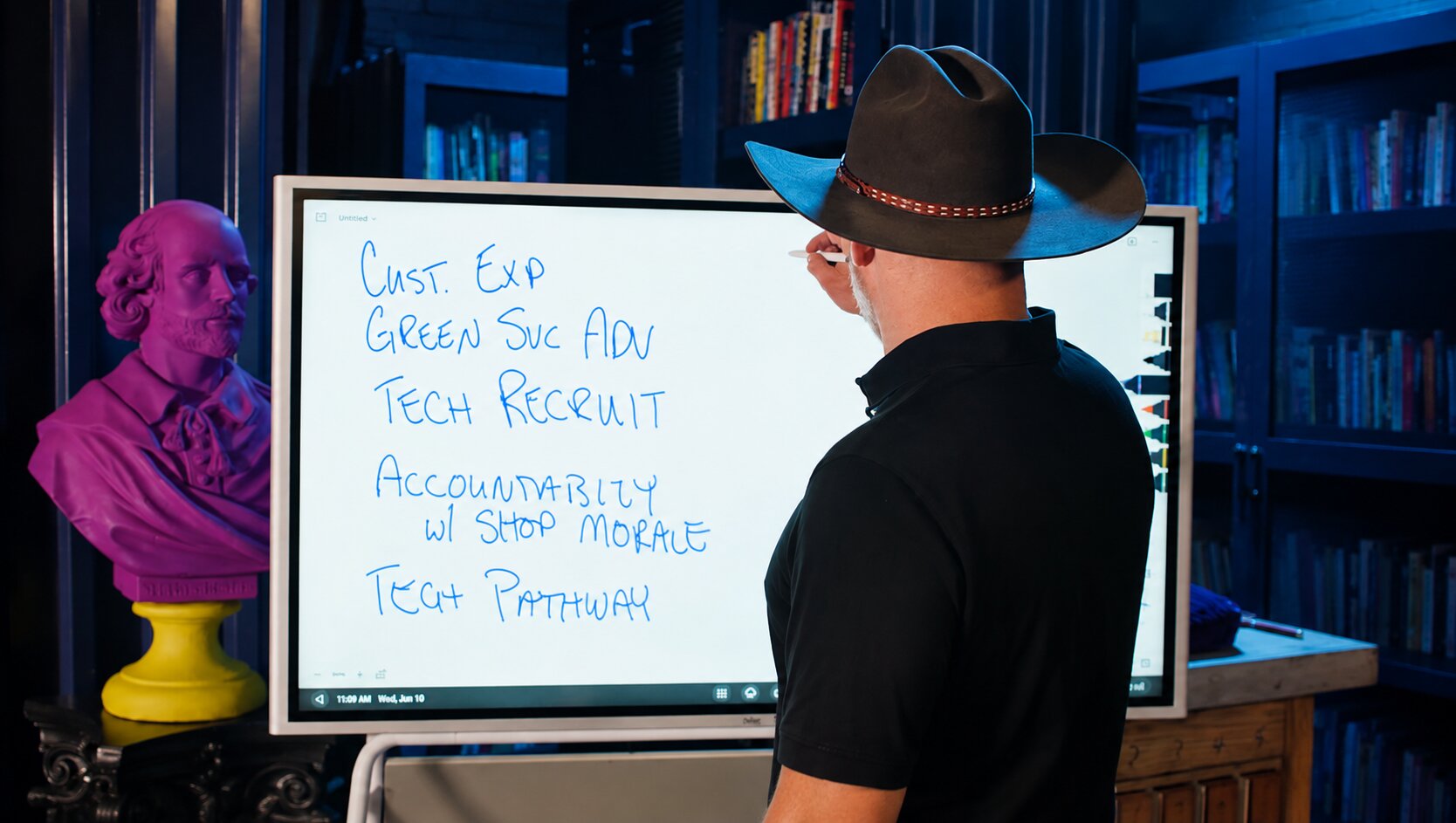
For WakeStreet, the useful frame is accountability. The meeting should make the day feel less scattered because every important action has a person attached to it.
Make Ownership the Meeting’s Main Output
A morning meeting can cover many topics, but it only works if the team leaves with decisions. Every carryover, callback, parts issue, delivery risk, and bottleneck needs a named owner.
That ownership turns the service department morning meeting from a status update into a daily execution tool.
Ownership Checklist for the Huddle
- Name the advisor responsible for each customer update.
- Name the manager responsible for each bottleneck.
- Name the technician or dispatcher contact for stalled work.
- Name the parts follow-up owner for delayed jobs.
- Name the person watching comeback vehicles.
- Name who will review declined work before noon.
- Name who confirms waiters and transportation needs.
- Name who checks afternoon promises.
- Name who prepares tomorrow’s first appointments.
Building a disciplined morning routine sets the tone for the entire day. Service Managers ready to implement proven systems across their whole department can join SDR Live Academy. With access to over 700 on-demand training videos, your team learns the exact strategies needed to increase efficiency, fix broken processes, and drive profitability.
Run the Meeting in Three Passes
Pass one: today’s load
Start with appointment volume, waiters, staffing, and capacity. This tells everyone how much pressure the day can absorb.
Pass two: today’s risks
Move to carryovers, parts delays, diagnostic stalls, comebacks, and open estimates. These are the issues most likely to create customer frustration.
Pass three: today’s owners
End by assigning names. If nobody owns a problem after the service department morning meeting, the team did not finish the meeting.
How Advisors Should Use the Meeting
Advisors should listen for the promises they need to protect: status updates, inspection presentations, estimate follow-ups, delivery times, and transportation conversations.
- Confirm which customers need proactive updates.
- Review incomplete repair order notes.
- Identify open estimates that need a decision.
- Prepare for inspection presentation opportunities.
- Escalate any promise that looks unrealistic.
Advisors and managers need ongoing development to consistently hit their numbers. Enrolling in SDR Live Academy gives you access to Off-Week Leadership Sessions focusing on mindset, team building, and goal setting, ensuring your department operates at its peak.
How Managers Keep the Huddle Short
Use facts, not speeches
Numbers, vehicles, names, and next steps keep the meeting tight.
Move private coaching offline
The group meeting is not the place for a long individual correction. Save that for a direct conversation.
Close with a positive send-off
The last note should be clear and useful: the team knows the plan and has permission to execute it.
Frequently Asked Questions
What should be documented after the meeting?
Document owners, at-risk vehicles, promised customer updates, and the next review time.
Can the meeting happen in a busy lane?
Yes, but it must stay short and operational. A stand-up format helps keep the team moving.
What is the best sign the meeting is working?
The best sign is fewer surprise escalations because advisors and managers already know who owns the next step.
Stop running the service department on guesswork and start treating it like a highly profitable business. Join Chris Collins and the coaching team at SDR Live Academy today to get the tools, numbers, and live support you need to lead your fixed ops team to the next level!
Bottom Line
A service department morning meeting matters when it creates ownership. The best version is short, direct, and built around the actions that will protect customers, shop flow, and daily performance.
Related reading on wakestreet.com: What Makes Service Advisor Role Play Training Work?; How to Read a Car Repair Estimate Without Guessing.
