


Direct Answer
The most effective books to reset your nervous system clarify how fight-or-flight functions, lessen self-blame, and deliver manageable regulation techniques. A well-curated reading list should demystify your body’s stress response, encourage genuine rest, and build routines that make peace accessible.
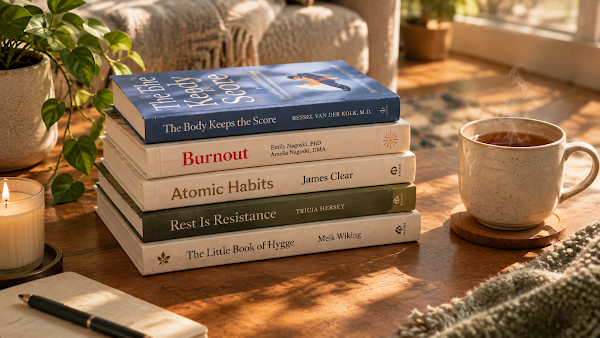
This is less about aesthetic wellness and more about body literacy. The right reading list helps a person connect anxiety, fatigue, and reactivity to patterns the body learned.
How the List Moves Beyond Wellness Clichés
This reading list works because it does not pretend that stress disappears after one calming ritual. It connects sleep, breath, trauma, boundaries, and habit change into a more complete picture.
For readers who feel stuck in fight-or-flight, learning how to reset your nervous system with a practical map matters more than a perfect morning routine.
Five Books That Help Reset Your Nervous System
The Body Keeps the Score: Explores how unaddressed trauma and physical tension remain stored inside physical tissues.
Daily practice: Somatic body scanning. Before I touch my phone in the morning, I spend three minutes scanning my body from feet to head, noticing where I’m holding tension, and consciously releasing it on the exhale.
Anchored: Translates complex polyvagal theory into clear, digestible principles for daily safety.
Burnout: Demonstrates why physical stress responses must be completed rather than simply ignored.
Daily practice: Discharge stress through movement. After a stressful call or conversation, I don’t just sit there simmering. I shake it out, literally dance for twenty seconds, do ten slow belly breaths, or hug someone. It sounds silly. It works. Read more on completing the stress cycle.
Why We Sleep: Re-frames proper sleep as crucial biological recovery instead of unproductive downtime.
Atomic Habits: Shows how to turn nervous system care into effortless, daily micro-routines.
Somatic reading works best when the lesson becomes a practice, not just an idea. The point is to build a calmer relationship with the body one cue at a time.
What These Books Have in Common
They demystify physical stress signals: You cannot reset your nervous system by ignoring warning alarms. These authors break down why your physical body reacts long before your intellect can step in.
They emphasize actionable somatic tools: Techniques like breathwork, restorative sleep, movement, and habit loops become significantly more effective once you realize how they signal safety to your brain.
They replace self-criticism with compassion: It is common to feel guilty for feeling overwhelmed or reactive. Quality somatic literature reframes these habits as natural survival mechanisms that can be gently retrained.
How to Use the List Without Overwhelming Yourself
Select a single title that speaks directly to your primary symptom.
Pace your reading so you can observe how your physical body responds to the ideas.
Implement one regulation exercise for a full week before trying another.
Measure progress by genuine physical relief rather than popular trends.
Remember that reading should complement professional guidance when working through deep-seated trauma.
None of this requires quitting your job or overhauling your life. It’s boundaries, breaks, and letting your body finish the stress cycle it’s already trying to complete. A lot of this also comes down to reclaiming a sense of internal locus of control: recognizing that even if you can’t control the stressor, you can control how you respond to it.
Frequently Asked Questions
Can a book actually help reset your nervous system?
While reading cannot replace therapy or clinical care, informative books offer deep insight into your physical responses and provide actionable strategies to cultivate daily calm.
Which book is best to read first?
Choose based on your immediate need: pick trauma-focused literature if you seek self-understanding, or actionable habit guides if you want immediate physical techniques.
What is the most common mistake people make?
Treating nervous system regulation like another goal to optimize. For true recovery, your self-care practices must feel safe and gentle enough to sustain over time.
Bottom Line
Literature can be a powerful catalyst for nervous system healing when it clarifies physical signals and simplifies daily recovery practices. The right collection offers clarity, compassion, and practical steps toward lasting calm.
